Ceiling Holes
Patch accidental damage, removed fixtures, access holes and openings cut into drywall ceilings.
Professional ceiling patch repair for holes, cracks, water damage, plumbing cutouts, electrical openings, failed repairs and damaged drywall or plaster.
Send a few details about the damage. Photos are especially helpful for ceiling repair estimates.
Plumbers, electricians, roof leaks and remodeling projects often leave openings or damaged areas in ceilings. CeilingPatch.com repairs the surface and gets the ceiling ready to look like a ceiling again.
Patch accidental damage, removed fixtures, access holes and openings cut into drywall ceilings.
Repair openings left after plumbers access pipes, drains, valves and plumbing fixtures.
Remove damaged drywall after the leak is corrected, then rebuild, finish, prime and paint the ceiling.
Repair cracks, loose tape and failed ceiling joints using reinforcement and proper finishing methods.
Repair loose, cracked or missing plaster and blend the damaged area into the surrounding ceiling.
Remove poor previous repairs, high spots, visible seams and loose compound before refinishing.
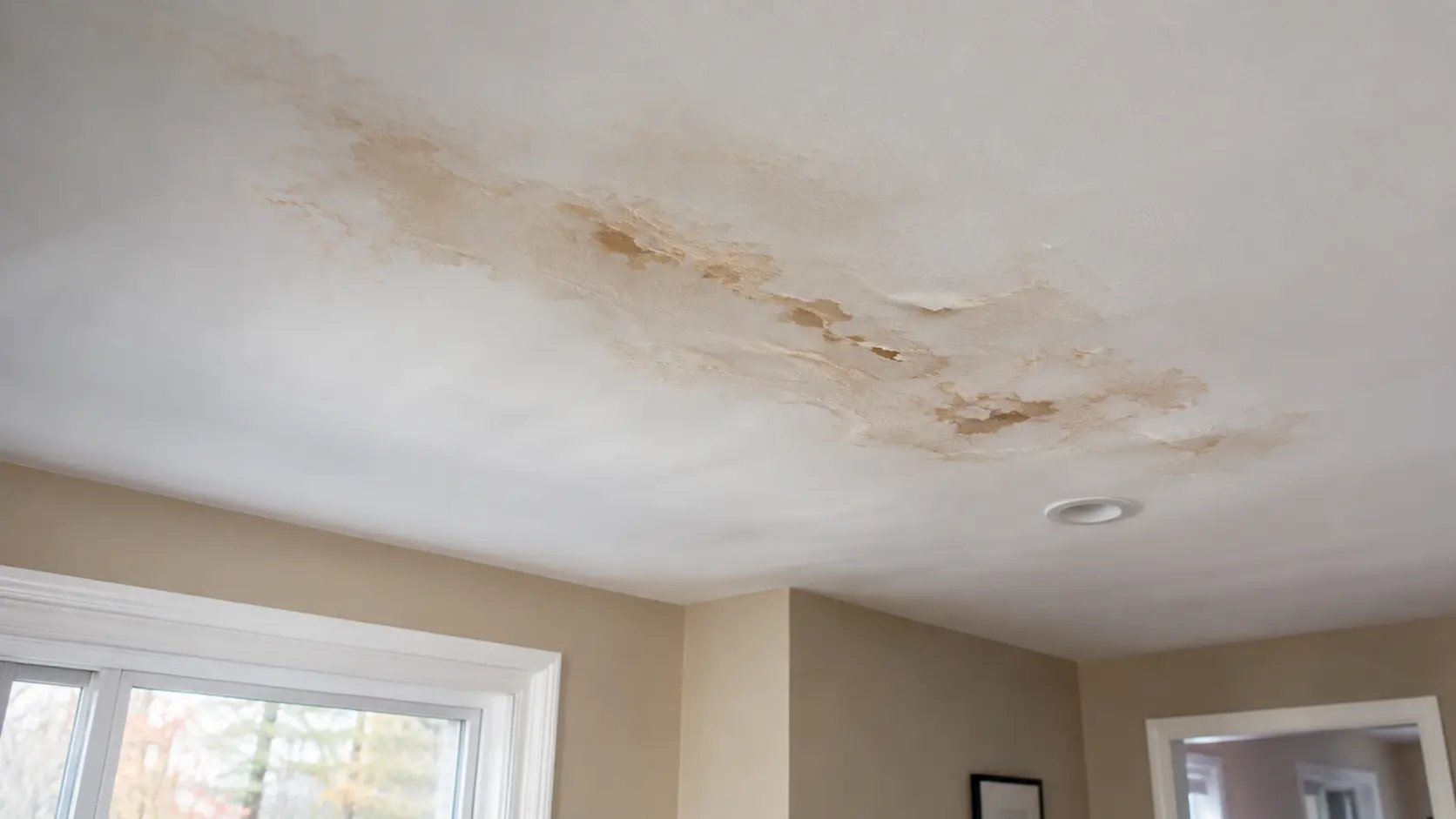
Filling a hole is only the first part of a ceiling repair. The patch needs proper backing, secure fastening, reinforced joints and enough finishing area to blend the repair into the surrounding ceiling.
We build the repair in layers rather than trying to hide the damage with one heavy application of compound.
Proper preparation and finishing make the difference between a visible patch and a professional ceiling repair.
We examine the opening, surrounding material, framing and cause of the damage.
Loose material is removed and proper backing or replacement drywall is installed.
Joints are taped and compound is feathered beyond the patch to flatten the repair.
The surface can be primed and painted after the patch has been sanded and inspected.
Small ceiling repairs require many of the same skills as larger drywall projects. The difference is making the repair disappear into the existing surface while creating as little mess as possible in your home.
We work with drywall, plaster, skim coating, cracks, holes and damaged ceiling finishes.
Your project receives direct attention from someone who has a vested interest in the finished result.
Ceiling work can create dust. We protect surrounding surfaces and keep the work area controlled.
Patches are backed, reinforced and feathered rather than simply filled with excessive joint compound.
You can use one contractor for patching, skim coating, priming and painting.
Ideal for homeowners, landlords, property managers, remodelers, plumbers and electricians.
Photos help us understand the size and location of your ceiling repair before discussing the project. Include the cause of the opening or damage when known.
Yes. Most drywall ceiling holes can be repaired by cutting the damaged area clean, installing backing, fitting replacement drywall and finishing the joints.
Yes. Plumbing access holes are one of the most common ceiling repairs. The opening can usually be patched after the plumbing work is complete.
Yes. The water source should be corrected first. Damaged ceiling material can then be removed, replaced and refinished.
A well-finished patch can blend very closely with the surrounding ceiling. The final appearance depends on lighting, ceiling texture, existing paint and the condition of the surrounding surface.
Painting the entire ceiling usually produces the most consistent result because existing ceiling paint can change color and sheen with age.
Yes. Many plaster ceiling repairs can be stabilized and patched without replacing the entire ceiling. The repair method depends on how much plaster has separated from the lath.
Yes. Raised patches, visible tape, loose compound and poorly feathered repairs can often be removed or refinished to create a flatter ceiling surface.
Send us a photo and tell us what happened. We will help you determine the next step.